ENGINEERING

ENGINEERING EXCELLENCE

From Application Requirements to System Performance.

Engineering connects application requirements, acoustic thinking, system design, product development, manufacturing and verification into one professional audio solution.

ENGINEERING AT THE CORE

How YASHWEI Engineering Works

Start with your venue, audience and performance requirements to define the right sound system.

01Application Requirement

Venue, audience, performance format and project conditions.

→
02Acoustic & System Design

Coverage, system architecture and deployment logic.

→
03Simulation & Development

Model, predict and refine before implementation.

→
04Product / System Configuration

Match loudspeakers, LF, amplification, DSP and accessories.

→
05Testing & Verification

Verify design intent and system performance through appropriate checks and measurements.

→
06Manufacturing & Project Support

Transfer engineering intent into production and real deployment.

01 — R&D CAPABILITY

From Requirement to Product & System Concept

Discuss your application, performance targets and installation constraints with our engineering team.
Requirement AnalysisApplication, market, performance and project objectives.
Product ConceptDefine the product role and system position.
Acoustic StructureDriver, enclosure and acoustic-path development aligned with the product objective.
Mechanical StructureRigging, enclosure and deployment considerations.
Component SelectionMatch components to defined performance targets and system requirements.
Prototype & ValidationDevelop, test, revise and confirm where applicable.
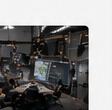
YASHWEI engineering and R&D
Engineering connects application requirements with product and system development.
Acoustic design and audience coverage
AUDIENCE COVERAGE
Near Field → Mid Field → Long Throw
02 — ACOUSTIC DESIGN

Design the Sound Around the Audience

Acoustic design answers how sound should behave in the real venue before individual products are selected.

CoverageAudience geometry and distribution.
DirectivityControl where energy is sent.
Frequency ResponseTarget tonal performance.
Throw DistanceNear, mid and long-range requirements.
Speech IntelligibilityClarity where speech is critical.
SPL RequirementOutput goals based on the real application.
03 — SYSTEM DESIGN

Turn Acoustic Requirements into a Complete System

System Design defines how the professional audio components work together.

INPUTSource / Mixer
→
CONTROLDSP / Processing
→
POWERAmplification
→
MAIN PAMain Loudspeaker System
SubwooferLow Frequency
FillCoverage Support
MonitorStage / Performer
04 — SIMULATION & MODELING

Predict Performance Before Implementation

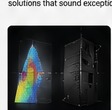
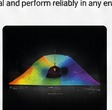
Coverage prediction helps evaluate system options against your venue layout before deployment.

01Venue Analysis

Map audience areas and project geometry.

02Coverage Prediction

Estimate distribution and identify weak areas.

03System Modeling

Evaluate system configuration and deployment logic.

04Performance Evaluation

Refine the solution before final implementation.

Simulation and modeling are used as engineering tools to evaluate coverage and system behavior before implementation.
SIMULATION / COVERAGE PREVIEW
STAGE
AUDIENCE AREA
High CoverageMediumLow / Edge
05 — TESTING & VERIFICATION

Engineering Is Not Complete Until It Is Verified

Testing closes the loop between design intention and real performance.

01
Acoustic Measurement

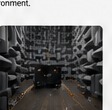
Measure acoustic response and compare it with the defined product or system objective.

02
Frequency Response

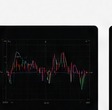
Check tonal response against the defined product or system target.

03
System Tuning

Optimize processing and system integration where applicable.

04
Component Testing

Evaluate components and assemblies as part of the development and production process.

05
Reliability Testing

Ask our team about the test scope and available records for your selected model.

06
Final Verification

Confirm the system/product before delivery or production release.
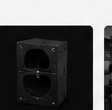
Testing and verification connect design objectives with repeatable production and final system performance.
YASHWEI production engineering
Engineering intent must transfer into repeatable production.
06 — PRODUCTION ENGINEERING

From Engineering Definition to Repeatable Manufacturing

Defined specifications and production checks help maintain consistency from one unit to the next.

Design SpecificationEngineering requirements are defined clearly.
BOM / ComponentsMaterials and components are managed against the defined product specification.
Assembly StandardProduction follows repeatable build procedures.
Production ControlCritical checkpoints are managed during manufacturing.
Testing StandardFinished products are checked against defined production and performance criteria.
Revision ManagementChanges are controlled instead of introduced informally.
07 — QUALITY CONTROL

Quality Built Into the Process

Quality is built through defined checks across materials, assembly, testing and final inspection.

01IncomingMaterials / components
→
02AssemblyBuild-process checks
→
03In-ProcessKey production checkpoints
→
04AcousticAcoustic checks
→
05Final InspectionRelease verification
→
06PackagingFinal delivery readiness
ENGINEERING IN REAL APPLICATIONS

Different Applications Require Different Engineering Priorities

ENGINEERING IN ACTION

Discuss Your Project Requirements

Engineering decisions connect directly to application requirements, system design and real project execution.

Explore Projects →
PROJECT ENGINEERING FLOW Venue → Coverage Requirements → System Selection → Deployment Share your venue layout and intended use so we can discuss system options.
PROJECT ENGINEERING

HAVE A PROJECT TO ENGINEER?

Tell us about your application, venue, audience and technical requirements.

Discuss Your Project →